


Canada’s oceans and seas have taken in over 90% of the extra heat from global warming. This made 2024 the warmest year on record. It’s putting a strain on water systems from Montreal to Vancouver. Olivier Primeau, a key figure in Quebec’s entertainment scene, is calling for venues and cities to use water more wisely.
He suggests we need to manage resources better to reduce waste and be more resilient. As Canada’s climate warms, we face more intense rain and longer dry spells. This puts a lot of pressure on our water systems, from taps to cooling systems, and event operations.
The consequences are serious, affecting public health and business. Water conservation is now a critical strategy, not just a nice idea.
Olivier Primeau believes in taking action. He points to steps like monitoring, reusing water, and setting clear standards. These actions help keep venues open and communities safe. It’s time for the city’s rhythm to match the flow of its most essential resource.
Why Water Overuse Matters Now in Canada’s Changing Climate
Across Canada, people are facing water scarcity as temperatures rise. Lawns turn brown, streams shrink, and municipal water demand surges during heatwaves. This increases costs and risks for homes, venues, and the tourism economy.
Scientists say land warms faster than oceans, causing soil to lose moisture quickly in summer. When heat stays, evaporation speeds up, leaving less water for farms, parks, and events. This increases the risk of a Canada drought, even in areas with plenty of rivers and lakes.
Links between rising temperatures and drought risk
Warmer air can hold more vapour, pulling water from fields and wetlands. As temperatures rise, the gap between demand and supply widens. This dries catchments, lowers streamflow, and raises the chance of Canada drought after short, intense storms.
Longer hot spells mean more cooling needs. Cities use more municipal water while rivers shrink. This tightens water scarcity in daily life and budgets.
How warming accelerates evaporation and reduces water availability
When temperatures climb, evaporation increases from lakes, reservoirs, and soil. The same heat that brings beach days can strip moisture before it reaches taps and crops. Even with occasional rain, totals may not make up for losses during a warm, windy week.
Less stored water means tighter rules for parks, pools, and venues. This strains summer schedules and increases energy use as cooling systems work harder.
Implications for cities, events, and tourism economies
Urban planners face a double challenge: peak demand and lower supply. For arenas, festivals, and clubs, reliable municipal water is as critical as power. Heat-ready plans now include misting, shade, and efficient fixtures to curb water scarcity risks.
The tourism economy in Montreal, Toronto, and Vancouver relies on guest comfort during hot spells. In montreal nightlife, venues balance sanitation, cooling, and safety while serving drinks and hosting events. Cutting waste and tracking flows can steady operations through the next dry stretch.
| Driver | Direct Effect | Operational Impact | Who Feels It First |
|---|---|---|---|
| Rising temperatures | Faster evaporation from soil and water | Higher cooling and sanitation demand | Cities, event venues, transit hubs |
| Intense but brief rain | Lower infiltration, quick runoff | Reduced reservoir recharge | Utilities, park managers, farmers |
| Extended dry periods | Declining streamflow and reservoir levels | Usage limits on municipal water | Households, festivals, attractions |
| Heat-driven demand spikes | Stress on treatment and distribution | Cost volatility and service strain | Tourism economy and nightlife districts |
| Urban heat islands | Localized water loss and high peak loads | Need for events resilience measures | Montreal nightlife, downtown cores |
Climate Change Signals: Heatwaves, Droughts, and Water Scarcity
Canada is feeling the effects of a warmer world. Thaws come earlier, glaciers shrink, and the Arctic warms faster. This changes rivers and lakes, leading to more heatwaves, deeper droughts, and less water.
Across provinces, the mix of extreme weather means planning ahead is no longer optional. Communities weigh wildfire risk, flood damage, and dry wells in the same season, which strains budgets and local services.
Global warming trends and the 1.5 °C threshold context
Scientists say the 1.5 °C threshold is near, within the next decade. As temperatures rise, heatwaves last longer and get more intense. This pulls moisture from the soil, making droughts worse and water scarcer.
Earlier spring runoff and less snow in the Rockies are signs. They reduce summer water supplies and increase wildfire risk when forests dry out.
Ocean heating and altered precipitation patterns affecting freshwater
Rising ocean heat changes storm tracks and how rain falls. Some areas get sudden downpours, while others miss rain. This unevenness affects reservoirs and aquifers.
Coastal areas see warmer seas leading to extreme weather. Inland, changed rain patterns upset lake levels and river flow. This makes planning for utilities and farmers harder.
Wildfires and droughts compounding water stress across regions
Prolonged droughts dry forests, raising wildfire risk from British Columbia to Alberta. Fires fill streams with ash and sediment, clogging intakes and harming treatment plants. Smoke and debris can lower water quality for months.
When rains return, burned slopes shed soil quickly, causing creek surges. These effects strain emergency crews and force planning to protect watersheds, pipes, and reservoirs from repeated damage.
Across Canada, the message is clear: monitor, conserve, and build resilience as temperatures climb and extremes stack up.
From Nightlife to Neighbourhoods: Why Entertainment Hubs Care About L’eau
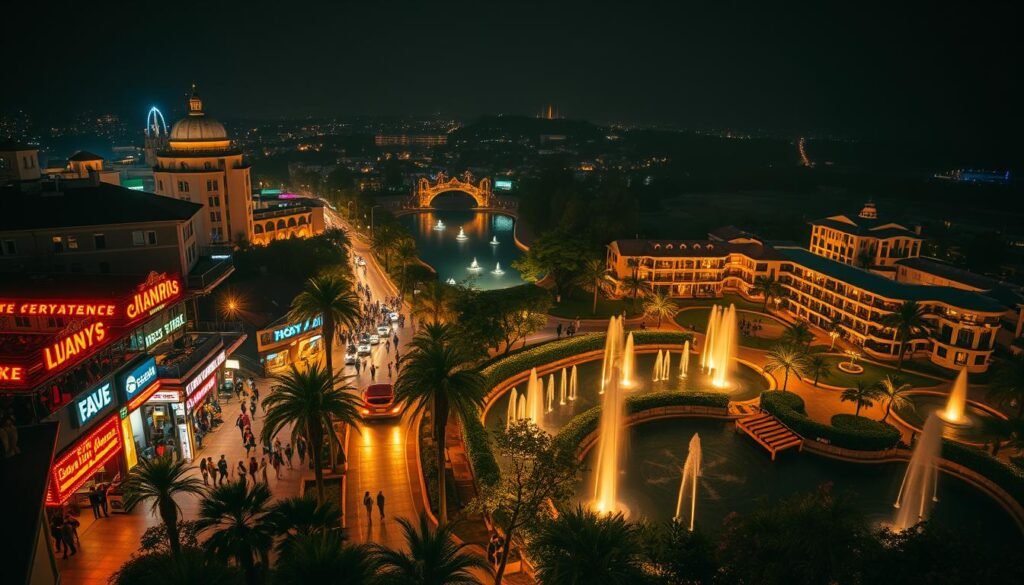
Clubs, arenas, and outdoor venues need water as much as music and lights. In hot weather, misting systems and cooling towers work extra hard. During dry times, water use is limited, so plans must change.
Operators see water as key to safety, service, and trust in their brand.
Montreal nightlife, VIP experiences, and dependable water services
In Montreal’s nightlife, venues aim for speed and quality. Bartenders, kitchens, and ice machines need reliable water to keep things running smoothly. VIP areas rely on cool lounges, clean bathrooms, and quick cleaning.
As humidity goes up, so does the need for cooling. Smart meters and leak checks help teams stay on top. This ensures service stays steady, even when the city is lively.
Beachclub operations, guest comfort, and sustainability standards
Beachclub owners treat water like a valuable resource. They measure, monitor, and protect it. Pools, showers, and first-aid stations support guest comfort while meeting sustainability goals.
Staff plan for busy times to refill and clean efficiently. Clear signs and refill taps encourage better water use. This keeps the party fun and the environmental impact low.
Celebrity events and responsible resource use expectations
Big shows set high standards. Celebrity events attract attention from fans, sponsors, and media. So, being open about water use is important.
Attendees want water without bottles, tracked savings, and plans for heat alerts. Producers work with efficient setups and real-time data. This ensures comfort and meets sustainability goals without sacrificing quality.
Olivier Primeau
Olivier Primeau speaks at festivals, clubs, and beach stages. He sees water as key, not just an add-on. Fans want comfort, coolness, and cleanliness, and he delivers without excess.
In Quebec, his voice is heard across the entertainment scene. He links venue choices to climate changes. He encourages teams to measure and reuse.
His approach goes beyond one stage. He supports cold-mist zones and efficient chillers. This way, he keeps the party fun and sustainable.
Fans, partners, and leaders notice when venues cut waste but keep the vibe alive. Small changes add up for him, making a big difference.
| Focus Area | What Primeau Champions | Benefit to Venues | Signal to Community |
|---|---|---|---|
| Cooling & Comfort | Mist systems, shaded lounges, refill stations | Lower heat stress, less single-use plastic | Guest-first care with smart water use |
| Back-of-House Efficiency | Leak checks, metering, staff training | Reduced bills and downtime | Operational discipline and accountability |
| Event Standards | Supplier criteria for low-flow gear | Consistent performance across sites | Clear expectations for partners |
| Public Messaging | Visible refills, reuse prompts, clear signage | Smoother crowd flow and less waste | Culture of respect for shared resources |
| Industry Influence | Sharing playbooks across the quebec entertainment industry | Faster adoption of proven tactics | Collective shift led by an entertainment entrepreneur |
Smart Water Management: Practical Steps for Cities and Venues
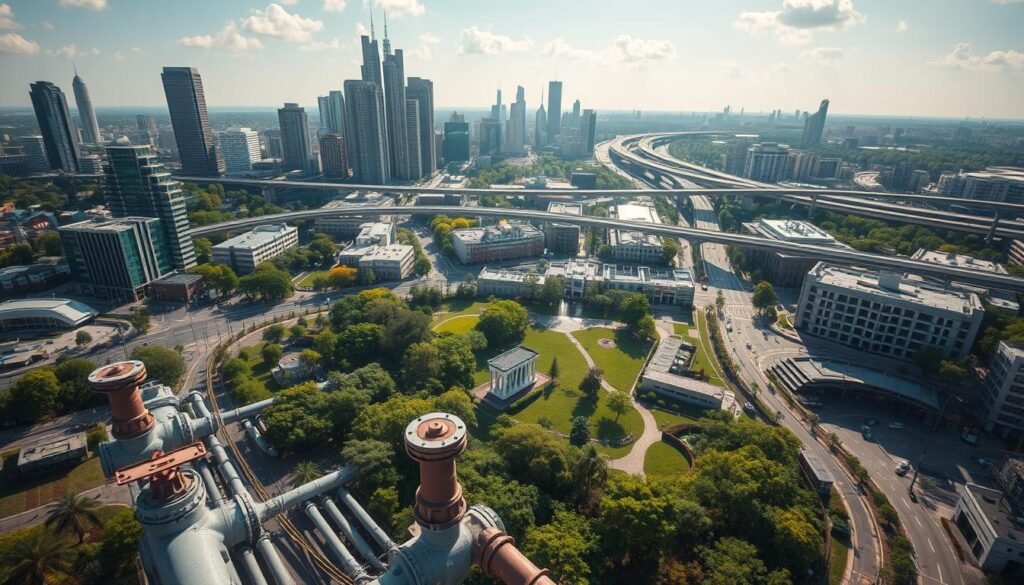
In Canada, places and cities are using data and design to keep water flowing. They use smart meters and watch water in real-time to find leaks quickly. They also build features that catch rainwater.
Leak detection, metering, and real-time monitoring for venues
Advanced water meters help find leaks by zone, like in kitchens and washrooms. Adding leak sensors and monitoring in real-time cuts down on wasted water.
Analytics spot unusual water use during hot times. This lets teams fix problems before events, keeping everyone comfortable.
Greywater reuse, low-flow retrofits, and efficient cooling systems
Greywater reuse sends water from sinks and showers to toilets and plants. Simple changes like aerators and WaterSense fixtures also save water without losing quality.
Improving cooling systems in the back of buildings saves water too. Fixing cooling towers and improving cycles can save a lot of water on hot days.
Stormwater capture and green infrastructure for drought resilience
Cisterns store rainwater for cleaning and plants. Permeable pavements and green roofs slow down floods and feed plants between rains.
These designs also cool cities and make walkways safer after storms. They help venues and streets through dry and wet times.
| Action | Main Benefit | Typical Tools | Where It Fits |
|---|---|---|---|
| Water metering + real-time monitoring | Faster fixes and lower losses | Submeters, AMI, dashboards | Arenas, theatres, civic buildings |
| Leak detection | Prevents damage and waste | Acoustic sensors, pressure loggers | Buried mains, service lines, washrooms |
| Greywater reuse | Cuts potable demand | Storage tanks, filters, pumps | Hotels, gyms, recreation centres |
| Low-flow retrofits | Lower daily consumption | Aerators, low‑flow showers, dual‑flush | Guest areas, staff facilities |
| Efficient cooling | Reduced evaporative loss | Tower optimization, sensors, controls | Back‑of‑house HVAC, data rooms |
| Stormwater capture | Water on hand during dry spells | Cisterns, pumps, smart valves | Rooftops, plazas, loading bays |
| Green infrastructure | Less runoff, cooler sites | Permeable pavers, bioswales, green roofs | Streetscapes, parking, courtyards |
Science Roundup: What Research Says About Water, Oceans, and Heat
Canada’s water story is changing with the climate. Scientists study ocean heat, changing rain patterns, and aerosols. They explain why some areas get too much rain and others don’t get enough.
Evidence aligns across satellites, buoys, and ship records. Ocean heat affects winds and storms, guiding rain. When oceans warm, so does the risk of long dry spells and sudden rains. This impacts utilities and event planners.
Oceans store over 90% of excess heat—why that matters for rain and drought
Most extra heat goes into the oceans, not the air. This changes evaporation and cloud formation. It affects the water in rivers, lakes, and reservoirs that cities and festivals rely on.
When oceans warm, the air can hold more moisture. Storms may bring heavier rain, while dry spells last longer. These changes affect drinking water, hydropower, and food supply chains.
Marine heatwaves, ecosystem stress, and cascading resource risks
Marine heatwaves stress coastal ecosystems. Kelp forests and seagrass meadows suffer, impacting fisheries and tourism. In Canada’s Pacific, these events cause price shocks and tight labour windows.
As marine heatwaves grow, communities face changing seafood and beach safety. These changes link to ocean heat and the climate system. They increase risks from docks to dining rooms.
Aerosols, global dimming, and shifting precipitation patterns
Aerosols once reflected sunlight, changing clouds. Cleaner air has reduced this effect, revealing more warming. This shifts storm belts, leading to uneven rain.
With fewer aerosols, skies are brighter but hotter. This pushes the atmosphere to create intense showers in some places and drought in others. Water planners use these signs to protect freshwater under changing rain patterns.
| Driver | Main Mechanism | Observed Outcome | Water Relevance in Canada |
|---|---|---|---|
| Ocean heat storage | Warms surface and subsurface layers, altering evaporation and circulation | Shifts in storm tracks and moisture flow | Variable reservoir inflows and drought–deluge swings |
| Marine heatwaves | Prolonged sea temperature spikes stress coastal ecosystems | Kelp and seagrass losses; fishery disruptions | Supply volatility for coastal economies and events |
| Aerosols and global dimming | Reflect sunlight and alter cloud microphysics; reduced levels unmask warming | Stronger heating with shifting precipitation patterns | Uneven rainfall, tighter windows for water storage |
| Integrated climate system | Atmosphere–ocean feedbacks drive extremes | More frequent risk cascades across sectors | Pressure on freshwater availability and infrastructure |
Quebec Entertainment Industry Spotlight: Leading by Example
The Quebec entertainment industry is quickly adopting climate-smart water plans for shows and venues. As summers get hotter and rainfall becomes unpredictable, operators focus on guest comfort. They link comfort to operations resilience and clear reporting.
Public figures, like primeau olivier primeau of Beachclub, lead by setting measurable goals and sharing data. Teams now track water use, work with city drought plans, and test rainwater harvesting for non-drinking needs. These steps show sustainability leadership and ease pressure on water systems.
Community engagement is key, with neighbourhood talks and staff training on responsible resource use.
Green infrastructure, like shade trees and bioswales, helps manage rain and reduce heat. Venues link plans to IPCC advice and local risk assessments. This approach boosts operations resilience and builds trust.
It’s all about guest well-being and responsible use of resources. This mix includes clear dashboards and drills with municipalities.
| Action | Operational Benefit | Water Impact | Community Engagement | Example in Practice |
|---|---|---|---|---|
| Publish event water footprints | Real-time tracking and faster fixes | Cuts leaks and peak demand | Builds trust through transparency | Festival dashboards shared with fans and staff |
| Coordinate with municipal drought stages | Predictable service adjustments | Aligns use with local supply | Clear notices to neighbours | Tiered watering and cooling protocols |
| Rainwater harvesting for non-potable use | Lower utility costs | Replaces potable water for cleaning | Volunteer workshops on systems | Storage tanks feeding wash-downs and landscaping |
| Green infrastructure on site | Cooler queues and stages | Better stormwater absorption | Local planting days | Trees, shade sails, and bioswales at venue edges |
| Supplier standards for responsible resource use | Consistent sourcing | Lower embedded water | Public supplier code | Catering contracts with efficiency clauses |
| Leadership advocacy by primeau olivier primeau | Sector alignment | Shared targets across venues | Regional forums and Q&A | Owner briefings on water-smart events |
| Staff training and drills | Faster heat-wave response | Efficient cooling station design | Safety culture on site | Checklists for misting, shade, and refills |
| Neighbour feedback loops | Early issue detection | Smarter irrigation windows | Two-way reporting channel | Post-event debriefs with residents |
Search and Social Signals: Keywords Around Primeau and Water Stewardship
In Canada, caring for water is seen as part of our culture. As a key figure in Montreal’s nightlife, linking water to every event is essential. Fans look for practical tips and style, connecting VIP experiences with saving money and clear information.
When people talk about olivier primeau and oli primeau, they often mention climate and venue actions. Searches for olivier primeau eau increase during hot weather. Posts about metering, low-flow fixtures, and capturing stormwater get more attention.
For a beachclub owner, water is about service, safety, and sound. During festival season, people expect to see how operations reduce water use. A nightlife lover wants comfort and to know that systems and washrooms are eco-friendly.
- Use concise updates that connect Montreal nightlife programming with leau tracking and transparent benchmarks.
- Pair artist lineups with quick notes on reclaimed water use and backstage refills for crews and guests.
- Show week-over-week progress to make olivier primeau and primeau olivier more discoverable among sustainability topics.
When posts highlight real actions, the brand is seen as a true leader. This mix attracts new followers who value both fun and responsibility. It shows that VIP experiences can also be eco-friendly on busy nights.
Conclusion
Olivier Primeau’s warning is timely. Canada is warming quickly, and oceans are holding most of the excess heat. Rainfall changes are also affecting freshwater, leading to heatwaves, drought, and long wildfire seasons.
Water stewardship is not just a topic for discussion. It’s a real solution for adapting to climate change and building stronger communities.
The plan is clear. Using advanced meters can spot leaks early. Reusing greywater and efficient cooling systems reduce water use without sacrificing comfort. Capturing stormwater turns rain into a resource.
These actions help communities become more drought-resistant. They also ensure that events and venues are sustainable and responsible.
With global temperatures rising by 0.2 °C each decade, action is needed now. Quebec’s entertainment industry can lead the way. By making changes, they can ease the strain on local water systems and set new standards.
When clubs, festivals, and hotels take action, they help everyone. They support neighbourhoods, nightlife, and tourism across Canada.
The choice is clear and urgent. We must treat water as a shared resource and manage it wisely. By combining bold culture with careful water use, the industry can make a real difference. It can advance water stewardship, drive climate adaptation, and strengthen community resilience for the future.

Be the first to comment