


In Montréal, one in five renters face serious maintenance issues yearly. This rate is as high as in some of North America’s toughest markets. Luc Rabouin wants to change this by introducing harsher fines, quicker repairs, and fewer excuses for bad housing.
As mayor of Plateau‑Mont‑Royal, Rabouin is focusing on protecting tenants. His plan includes fast city interventions and bills sent to owners through trusted suppliers. This is a response to the long waits faced by families and students.
Rabouin believes safe homes are key to public health and clear rights. He thinks setting clear penalties will improve standards in Montréal and boost confidence. His approach is based on his past actions, like cracking down on illegal short-term rentals and making data public.
With polls showing Ensemble Montréal’s Soraya Martinez Ferrada leading, Rabouin is close behind. His ability to enforce rules will be key in the election. Luc Rabouin news and updates will highlight if his new measures can quickly change the housing situation in Montréal.
Montreal’s Substandard Housing Problem and Why It Matters Now
In Montreal, the housing crisis is making things tough for tenants. Many are forced to live in substandard units just to have a place to stay. Issues like mould, broken heating, and outdated wiring are raising health concerns and doubts about city enforcement.
The Luc Rabouin profile is getting a lot of attention. People want to see real action and clear plans from their leaders.
One in five renters facing serious maintenance issues each year
About one in five renters face big maintenance issues yearly. These problems include damp walls, broken heating, electrical dangers, and unsafe floors. With the housing crisis, many feel they have no choice but to stay in these conditions.
Residents want quicker inspections and easier ways to report problems. They also want clear updates on their cases. The latest landlord–tenant law news is key in judging Montreal’s housing standards.
Health, safety, and public confidence at stake in Montréal
Mould and cold homes are harming families, students, and seniors. This is a big health risk. Old buildings and slow repairs make them even more vulnerable during winter and storms.
When repairs take too long, trust in the city’s enforcement drops. People want regular updates and to see officials checking on homes. The Luc Rabouin profile is seen as a test of leadership, linking quick fixes to safer living conditions.
Landlord–tenant law news driving voter attention and urgency
Recent landlord–tenant law news has put a spotlight on housing standards. Stories about substandard units and the risks they pose are common. As debates over housing grow, people are looking for policies that protect renters without reducing the available housing.
Surveys show voters are focused on enforcement and fair penalties. In the face of the housing crisis, there’s a growing demand for reliable solutions to fix problems quickly.
Luc Rabouin’s Crackdown: Higher Fines and Faster On‑Site Interventions
Montrealers want clear rules and quick action. The city is creating a housing enforcement plan. It will have penalties based on risk and help when needed.
This plan is based on Luc Rabouin projects. These projects focus on tenant safety and timely action.
Escalating penalties that match the severity of hazards
Inspectors will give fines that match the danger. This could be for things like mould, no heat, or unsafe wiring. The goal is to really deter owners, not just fine them.
This makes the housing enforcement stronger. Fines will go up if orders are ignored.
City‑led repairs with invoices to negligent landlords
If owners don’t fix problems, the city will. They will make homes safe again. Then, the city will ask the owners to pay for the work.
This way, tenants won’t have to wait. The city uses trusted suppliers and works fast.
Systematic response to end “endless waiting” for tenants
A new process will make things move faster. It includes inspections, orders, and follow-ups. This way, everything is clear and on schedule.
By sharing updates, the city keeps the pressure on. This makes sure the crackdown is effective in real homes.
Deterrence, accountability, and predictable enforcement timelines
There will be clear rules and consequences. Owners will face higher fines and on-site actions if they don’t comply. The city will also make sure to get paid back for its work.
This approach is in line with Luc Rabouin projects. It makes Montreal’s housing enforcement stronger. Tenants will know they can count on timely action.
Montréal Housing Crisis Context: Low Vacancy, High Demand, Tough Choices
The city is in a tight spot. With few empty homes and lots of people looking, rents keep going up. People are making choices they never thought they’d have to make.
Why substandard units persist in a constrained rental market
Older apartments are hard to fix and stay on the market. With short leases and many viewings, people often pick a place that needs work. News and laws show how slow repairs keep bad conditions.
Rising pressure on families, students, and newcomers
Families look for homes near schools, while students want places close to university. Newcomers face the same challenges with limited time and documents. This leads to more pressure and higher rents in areas with few homes.
Practical fixes renters seek: clear timelines and faster inspections
Groups push for fixes that help now. Tenants want quicker checks, clear repair times, and easy ways to report problems. Updates and firm dates help people stay safe without moving.
| Market Pressure | Impact on Tenants | What Helps Now | Why It Matters |
|---|---|---|---|
| Low vacancy in core and inner suburbs | Fewer safe choices at move‑in | Faster inspections and quick follow‑ups | Reduces time spent in risky units |
| High demand from families, students, newcomers | Competitive bids and waived repairs | Clear timelines for fixes and re‑checks | Limits delays that keep hazards in place |
| Deferred maintenance in aging stock | Recurring heat, moisture, and wiring issues | Simple reporting tools and photo logs | Creates documentation that speeds action |
| Mixed signals in landlord–tenant law news | Confusion about rights and next steps | Plain‑language notices and outreach | Builds trust and raises compliance |
As the Montréal housing crisis goes on, these steps help people stay informed and safe. With few homes and many looking, these fixes are a clear path to better living without moving too much.
How “Substandard” Is Defined and Enforced in Montréal
Montréal has strict rules for renters to know when a place is not up to standard. The city uses clear checks based on Montreal’s housing standards. It focuses on daily safety and basic living needs.
This method is shaped by lessons from big fires and by Luc Rabouin’s work as a civic leader. He pushed for fair enforcement.
Sanitary, health, and safety benchmarks for compliance
At the heart are health and safety standards that every place must follow. Heat in winter, clean water, good air, and pest control are essential. Electrical systems must be safe, buildings must be solid, and smoke and carbon monoxide alarms must work.
Clear paths to exit and fire‑rated doors are key in older buildings. These rules show Montreal’s focus on safety first. They give inspectors clear guidelines.
Inspection triggers: tenant complaints and data‑driven sweeps
Inspections start with tenant complaints or when data shows problems. Older buildings, past issues, and many calls lead to sweeps. Officials take photos, issue orders, and set deadlines.
If orders are not followed, the city can fix the problems and charge the owner. This approach keeps inspections consistent and raises the cost of ignoring orders.
Coordination with boroughs for rapid, consistent action
Quick results depend on good borough coordination. Central teams share data with local offices to spot patterns and align efforts. Shared dashboards confirm fixes and track repeat offenders.
This networked approach supports Montréal’s standards. It ties health and safety to real action on the ground. It reflects Luc Rabouin’s work in protecting tenants under Montreal’s housing rules.
Short‑Term Rentals After the Old Montreal Fire: Safety, Supply, and Mega‑Fines
The crackdown on short‑term rentals in Montréal has increased after the Old Montreal fire. Now, safety is the main focus. City and provincial teams aim to stop ghost hotels, prevent dangerous conversions, and make homes available for regular leases again.
They use InsideAirbnb data and new landlord–tenant law news to keep renters and owners informed.
From ghost hotels to court: dedicated inspectors and joint operations
Dedicated inspectors do surprise checks and work together with borough staff. They check if listings match permits and safety records. If they find repeated issues, they quickly take action, stopping illegal listings.
InsideAirbnb data helps find areas with ghost hotels near transit and schools. Teams use this data to spot risky properties before accidents happen.
Provincial fines up to $100,000 for repeat offenders
Quebec has increased fines to $100,000 for those who keep breaking the rules. This makes it riskier for illegal nightly rentals. Owners now face big penalties if many of their properties don’t follow fire and zoning laws.
But, there’s a way to comply. Owners who follow building codes, get permits, and install safety features can keep renting legally. Those who don’t will face more checks and higher costs.
Returning units to long‑term leases and stabilizing neighbourhoods
As enforcement gets stricter, fewer listings and bookings are happening. Many places are now available for long-term leases. This helps improve the housing supply and makes neighbourhoods more stable.
It also helps families and students. When nearby buildings are no longer ghost hotels, they have a better place to live.
The steps taken match current landlord–tenant law news. They link safety rules to market results. With short‑term rentals in Montréal under watch, data-driven actions and big fines are changing how owners rent out their properties.
What Tenants Can Expect Under the New Approach

Renters in Montréal can look forward to quicker inspections that focus on health and safety. Teams will handle complaints fast, set clear timelines, and mark hazards on site. This change aims to reduce the long waits that have been hard on families across the city.
Inspectors will note issues, take photos, and give notices with steps to take. If deadlines are missed, they will do a second check. If owners don’t fix problems, the city will step in and charge the costs back, including fees.
Residents can help by sending in detailed reports with dates, photos, and contact info. Keeping a log of ongoing issues like mould, leaks, or no heat is also helpful. This helps the city meet its goals for faster and more predictable timelines, as updated by Luc Rabouin.
Case tracking will show progress from the first report to when it’s fixed. Public updates will help build trust. With clear notices, quick inspections, and city repairs, tenants will get safer homes. This also strengthens tenant rights in Montréal.
Political Landscape: Ensemble Montréal vs. Projet Montréal on Housing and Resilience
In Montreal politics, Ensemble Montréal and Projet Montréal have different views on making homes and streets safe. They both believe in linking safe rentals to strong streets. Luc Rabouin news pushes for enforcement that protects tenants now and in the future.
Soraya Martinez Ferrada’s RénoPlex, climate reserve, and stormwater priorities
Ensemble Montréal, led by Soraya Martinez Ferrada, wants to fund home upgrades like sealing basements and installing drainage. They plan to spend $10 million each year on a climate emergency reserve. This will help quickly respond to stormwater surges.
Projet Montréal also focuses on managing stormwater. They plan to use the Langelier collector and buy land to better manage runoff. This will help prevent mould and rot, keeping families in their homes.
How flood resilience intersects with tenant safety and affordability
Projet Montréal sees resilience as key to keeping homes stable. Dry basements save money and prevent families from being displaced. They also want stricter inspections to reduce health risks and fix repairs faster.
Managing stormwater helps landlords avoid costly emergencies. This means tenants don’t have to deal with weeks of disruption. It also helps keep rents stable by preventing sudden increases.
Polling shows housing, infrastructure, and social issues top of mind
Polls show people care a lot about housing, infrastructure, and social issues. Ensemble Montréal focuses on quick fixes like RénoPlex and the climate emergency reserve. Projet Montréal prefers steady upgrades that make resilience part of daily maintenance.
As Montreal politics focuses more, both parties link water management to affordable rents and safe homes. This shows that flood planning and tenant rights are now on the same agenda.
| Issue Area | Ensemble Montréal Focus | Projet Montréal Focus | Tenant Impact |
|---|---|---|---|
| Home Retrofits | RénoPlex for sealing, drainage, backflow | Ongoing upgrade programs and audits | Fewer leaks, less mould, better air quality |
| Emergency Readiness | $10M climate emergency reserve for rapid flood response | Borough coordination and pre‑positioned equipment | Faster pump‑outs, reduced unit downtime |
| Stormwater Projects | Accelerate Langelier collector; land purchases for flow | Network upgrades tied to capital planning | Lower basement flood risk and repair costs |
| Enforcement Link | Supports fixes financed by resilience funds | Aligns with stricter inspections and timelines | Predictable repairs and healthier living |
Borough‑Level Action in Plateau‑Mont‑Royal
In Plateau‑Mont‑Royal, teams are working hard to protect homes and keep streets nice. They aim to do their job quickly and well. Their actions match the plans already in place by Luc Rabouin.
Pilot inspections and a clear “we are coming” message to illegal operators
New pilot inspections are checking buildings block by block. They look for ghost hotels and buildings that are not being taken care of. If a door is shut, they come back, take notes, and check listings to find illegal operators.
The message is clear: we are coming, and we will enforce the rules. This effort helps bring buildings back to long-term rentals. It also keeps pressure on those who break the rules.
Data sharing commitments to track impact and build trust
Borough and city leaders promise to share data from the pilot inspections. They will share numbers like notices given, cases solved, and units brought back. This will show how well the enforcement is working in Plateau‑Mont‑Royal and the whole island.
By sharing this information, everyone can see the standards being followed. It also fits with Luc Rabouin’s projects that value openness and accountability.
Community engagement to surface problem properties quickly
Getting the community involved helps spot problem properties early. Neighbours report things like late-night visitors and buildings being quickly relisted. This helps set priorities for inspections and stops illegal activities fast.
This system of tips, follow-ups, and updates keeps homes available for renters. It turns residents into helpers and inspectors into quick and careful workers.
Luc Rabouin
As the mayor of Plateau‑Mont‑Royal, he is known for his practical housing policies and clear communication. His profile shows a mix of civic leadership and hands‑on problem solving with Projet Montréal.
Luc Rabouin bio highlights his steady rise in city roles. He has worked in finance, mobility, and urban ecology. These experiences inform his ongoing updates on housing, safety, and accountability.
Mayor of Plateau‑Mont‑Royal and former Projet Montréal leader
He first won the borough in a 2019 by‑election and got a bigger mandate in 2021. Later, he led Projet Montréal and was the executive council president under Mayor Valérie Plante. He oversaw finance, economic development, and education.
This leadership arc makes his profile strong in municipal stewardship. As mayor, he focused on reliable service, tenant safety, and clear rules for owners.
Track record: tenant protection, illegal rental enforcement, data transparency
His record includes action against illegal short‑term rentals and stronger tenant protections. He supported open data so residents could track enforcement and outcomes while respecting privacy.
These priorities align with Projet Montréal goals and earned him endorsements from local housing advocates. Regular updates stressed timelines, predictable fines, and quick on‑site interventions.
Luc Rabouin bio, profile, projects, community involvement, and updates
He has a background in psychosociology of communication at UQAM, local economic development at Concordia University, and political science at Université de Montréal. His career includes leadership at the Montreal Urban Ecology Centre, PME Montréal, Desjardins, and Communauto France. He also wrote Democratizing the City (Lux Éditeurs, 2009).
His projects include tenant protection, action on illegal rentals, and transparent reporting. His community involvement includes work with tenants at Manoir Lafontaine in 2023. He emphasizes building bridges among residents, owners, and city staff.
| Aspect | Details | Impact for Residents | Related Keyword |
|---|---|---|---|
| Leadership | Plateau‑Mont‑Royal mayor; former Projet Montréal leader; executive council president | Clear direction on housing, finance, and enforcement | Plateau‑Mont‑Royal mayor |
| Education | UQAM, Concordia University, Université de Montréal | Evidence‑based, community‑focused policy | Luc Rabouin bio |
| Policy Focus | Tenant protection, illegal rental enforcement, open data | Faster inspections and consistent penalties | Luc Rabouin profile |
| Community Work | Manoir Lafontaine affordability efforts in 2023 | Support for vulnerable renters | Luc Rabouin community involvement |
| Public Standing | Backed by local housing advocates | Legitimacy for targeted enforcement | Luc Rabouin endorsements |
| Ongoing Communication | Regular briefings on housing and safety | Transparency and trust with residents | Luc Rabouin updates |
Governance, Transparency, and Landlord Accountability
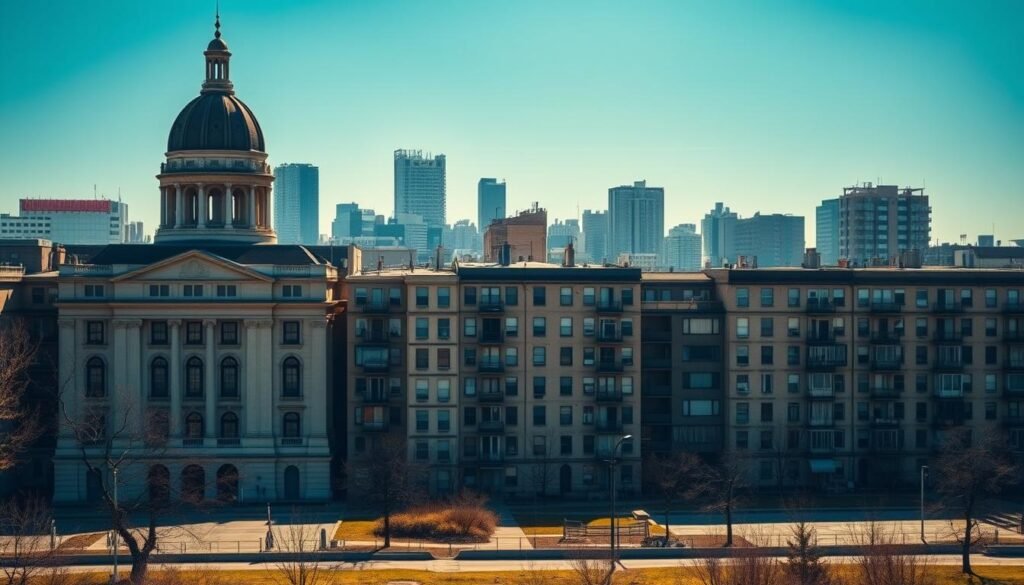
Montréal is making big changes for renters. The city wants to make sure everyone is safe and treated fairly. They’re working on new rules that make things clear and fast.
Aligning city bylaws with provincial rules for clarity
Montréal is matching its rules with Quebec’s Housing Act. This makes things easier for everyone. It also helps fix problems faster.
Inspectors can now order repairs quicker. If owners don’t comply, they face penalties. This keeps homes safe and landlords in line.
Open data, dashboards, and borough coordination
Montréal has dashboards that show important data. They track inspections, repairs, and repeat problems. This way, people can see the progress without sharing personal info.
Working together, different areas of Montréal can do things better. This means faster action and less waste. It also helps everyone see how they’re doing compared to others.
Lessons for Canada’s urban centres, including an Ottawa comparison
Big cities all face similar challenges. Ottawa shows how using data and reports can help. When people see changes, they give feedback faster.
Montréal’s approach is a lesson for other cities. It shows how to use data and clear rules to keep everyone safe. This way, cities can stay on top of changes in landlord–tenant laws.
| Policy Feature | Montréal Approach | Ottawa Comparison | Resident Impact |
|---|---|---|---|
| Rule Clarity | Bylaws mapped to provincial alignment for uniform standards | Alignment through Property Standards By-law and provincial codes | Simpler guidance reduces disputes and appeals |
| Transparency Tools | Open data dashboards with inspection and timeline metrics | Public reporting on property standards and rental licensing pilots | Track progress and identify repeat issues quickly |
| Enforcement Cadence | Borough coordination for rapid inspections and cost recovery | Central oversight with ward‑level service requests | Faster fixes and clearer follow‑through |
| Short‑Term Rental Control | Joint operations with higher fines and targeted sweeps | Licensing checks and zoning enforcement | More units returned to long‑term housing |
| Public Accountability | Performance benchmarks tied to landlord accountability | Committee reports and service dashboards | Evidence‑based oversight residents can verify |
Conclusion
Montreal’s housing faces big challenges with low vacancy and high demand. Luc Rabouin suggests a solution: stricter rules for landlords and faster inspections. The goal is to keep tenants safe and ensure inspections are transparent.
After the Old Montreal fire, there’s been a crackdown on illegal rentals. This move is helping to make homes available for longer periods. It’s also easing the pressure on streets and schools.
Politics plays a key role in this issue. Projet Montréal supports a system with clear fines and repairs. Federal leaders like Soraya Martinez Ferrada also back efforts to improve housing. They focus on making buildings safer and neighbourhoods more stable.
The success of Luc Rabouin’s plan will depend on results. If he can enforce stricter rules and show clear progress, Montreal’s housing will improve. The outcome will show whether his promises are kept and landlords are held accountable.

Be the first to comment