
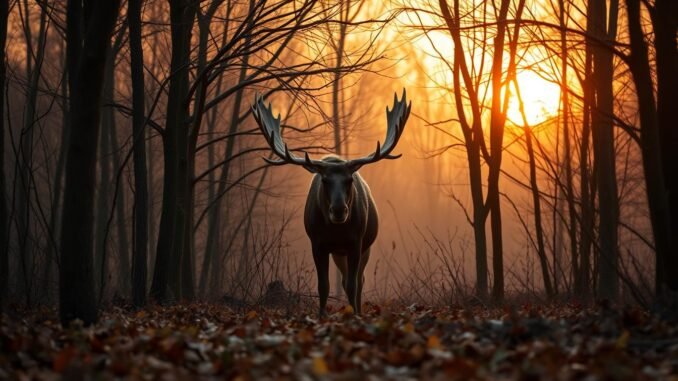

A full-grown moose can grow up to nearly two metres tall. Yet, in Quebec, over a thousand moose collisions have been recorded in recent years. This is a big problem in the Laurentians.
In Morin Heights, a moose’s short journey became a big issue for the community. It started in July when people saw the moose wandering around. By September 12, it was right outside Morin Heights Elementary School, looking very thin.
Quebec Wildlife Protection, led by Lt. Hugo Pilon, was tracking the moose. They noticed some worrying signs. A vet thought the moose might have brain worm, based on its strange movements and weight loss.
The moose didn’t seem scared, even near children and bus stops. This made everyone worried. The town has grown a lot, and now paths and roads are where wildlife used to roam quietly.
Castel Marie nature park, opened in 2023, brought more people, dogs, and cameras. Social media posts and photos of the moose drew even more attention. The moose wandered between backyards and Highway 364, right through Morin Heights.
By dawn on that September morning, something changed. Officers had to make a tough decision. They chose to act quickly for safety reasons.
This story shows how a beloved place faced a harsh reality. When development, illness, and human attention meet, even strong animals can struggle. It’s a story about the moose, the people of Morin Heights, and the choices we make together.
Overview of a community shaken: a moose, a school, and a tragic morning
In Morin Heights, moose sightings turned from a summer wonder to a daily worry. Families were quiet at crosswalks, and teachers watched the buses closely. Every day, people wondered if the moose would cross paths with children at school.
From first sightings in July to Sept. 12 outside Morin Heights Elementary School
Wildlife experts confirmed moose sightings in July. They saw the moose moving strangely but calmly. By Sept. 12, the moose was near Morin Heights Elementary School, causing concern.
Students, parents, and teachers saw something unexpected at school. This moment changed Morin Heights. The moose story became a topic in every café.
Public safety concerns near classrooms, bus stops, and Highway 364
The moose was seen near bus stops and on residential streets. Its presence near Highway 364 worried everyone. A wrong move could be dangerous for drivers and kids.
Near classrooms, rules for wildlife apply. Crossing guards and parents watched for moose like they watch for ice.
Why an unafraid moose alarmed residents and officials
The moose’s calmness was unsettling. It walked through backyards and sat on porches without fear. This behaviour raised concerns about habituation or illness.
Officials looked at the moose’s behaviour, size, and the streets of Morin Heights. Near schools and busy areas, an unafraid moose could quickly become a danger.
| Location | Observed Behaviour | Primary Risk | Community Impact |
|---|---|---|---|
| Bus stops on village routes | Lingering near waiting groups | Close contact during peak times | Parents adjusted pickup routines and timing |
| Morin Heights Elementary School | Calm stance near fencing and walkways | Sudden movement in a crowded zone | Staff coordinated arrivals with extra vigilance |
| Highway 364 and feeder roads | Crossing and pausing on shoulders | Vehicle collisions at speed | Drivers reduced speed and changed routes |
| Residential backyards | Passing through decks and gardens | Limited escape paths for a large animal | Neighbours shared alerts and sighting times |
How Laurentian development changed wildlife patterns
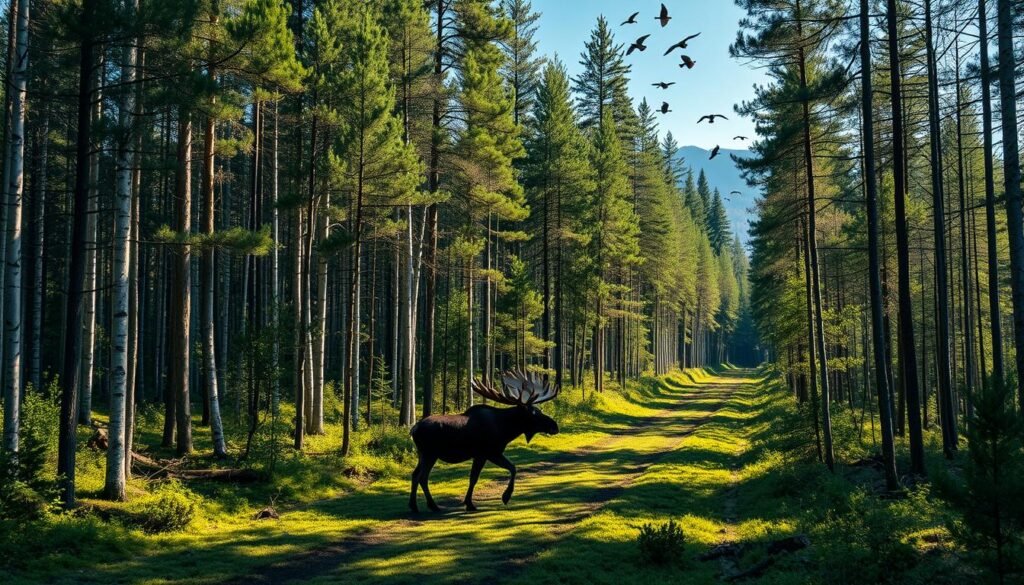
In the Laurentians, once-quiet valleys now buzz with life all year. Morin Heights grew quickly, changing how animals live. Now, moose travel often passes by homes and schools.
Pandemic-era growth bringing traffic, new homes, and busier corridors
New buildings popped up during and after COVID-19. Remote work made cottages permanent. This led to more traffic, making it harder for wildlife to move.
In Morin Heights, moose now roam at odd hours to avoid people and noise.
Trails have also changed. More hikers and dogs have reshaped the Laurentians. This pushes animals to cross driveways and lanes, where they once moved through woods.
Rising roadkill as ecosystems fragment in small communities
More deer and small mammals are hit by cars, showing broken habitat edges. Mailboxes, fences, and cul-de-sacs create a maze. This slows animals down, increasing the chance of accidents and stress.
These barriers guide moose travel along set paths. Even when these paths are near homes and schools in Morin Heights.
“Hungry heights” pressures: scarce food near neighbourhoods
As lots are built, forage zones shrink. This leads to less food close to homes. The result is hungry heights: lean pickings that draw a moose to fruit trees, gardens, and road salt. Droughts or late frosts make this pull even stronger.
Across the Laurentians, this creates close encounters. When food is scarce near people, animals are drawn closer. Morin Heights feels this shift most on its edges and along highway curves.
Castel Marie nature park: access, social media, and habituation
In 2023, Morin Heights bought Castel Marie from a religious group. They opened its paths to locals and visitors. This change made the forest edge and meadows more shared, including where a moose fed.
Municipal purchase opened former private trails to the public
A new gate and signs welcomed families into the forest. Trails once for caretakers now saw many visitors in the morning. This met the moose’s paths along creek beds.
At dusk, people gathered to watch. The moose often stayed put. This close interaction worried those nearby.
Photos shared online drew more hikers, dogs, and cameras
Early summer posts from Castel Marie spread quickly on Facebook and Instagram. Some posts mixed languages, calling it a day trip from Montréal.
Each share brought more people and pets to the trails. This cycle influenced the moose’s travel patterns.
- Geotags highlighted repeat hotspots along streams.
- Pet groups compared routes and off-peak times.
- Outdoor pages praised calm encounters with wildlife.
When calm behaviour signals risk: habituation versus health
By July, Quebec Wildlife Protection noted a moose that seemed fearless. Wardens filmed it browsing and lingering near paths. This raised concerns about its health or habituation.
More visitors and cameras at Castel Marie blurred the park and neighbourhood lines. The moose began to venture closer to roads, linking trails to homes in Morin Heights.
Wildlife officers’ protocol: deter, escalate, relocate, or euthanize
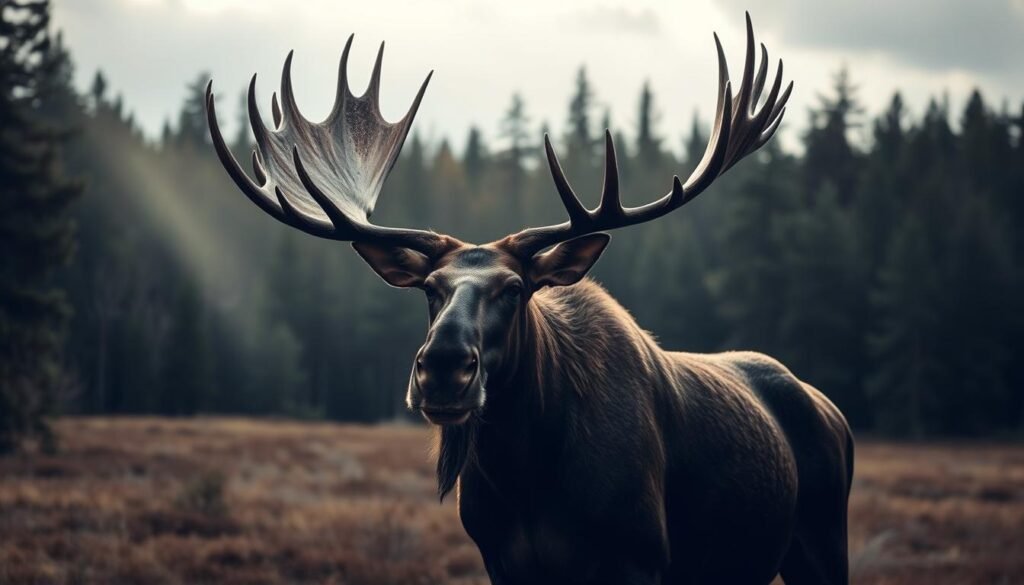
In Morin Heights, wildlife officers have a detailed plan led by Quebec Wildlife Protection. They aim to guide a moose to safety, manage risks, and keep roads open. Each step is based on the moose’s actions, the location, and the chance to solve the issue without harm.
Noise and presence as first-line, non-lethal tactics
Teams start with simple methods. They use vehicles, sirens, and calm voice commands to steer a moose to safe areas. This approach is effective in open spaces and near schools in Morin Heights.
It works best when people stay away. A calm environment, clear paths, and patience help avoid stress and risks, as taught by Quebec Wildlife Protection.
Rubber and plastic impact rounds and backstop considerations
If the moose doesn’t move or approaches people, officers might use rubber or plastic rounds to scare it. Shots are only fired with a safe backstop and a clear path.
They also check for dangers like parked cars, brick walls, and 365 rubber surfacing. This ensures the aim is to scare, not harm.
Criteria for tranquilize-and-move versus humane kill
Tranquilization is used when the moose is healthy and can be caught quickly. Size, health, airway care, and a safe route are key. Good planning and experienced moose handlers can help relocate the animal.
If the moose looks sick or it’s too hard to move, officers might choose humane euthanasia. They follow strict rules, keeping public safety in Morin Heights first. Every step is documented by Quebec Wildlife Protection.
Was the moose ill? Brain worm, behaviour, and safety choices
In Morin Heights, people saw a moose near schools and bus stops. Its calmness was unusual, as moose can be dangerous if they move suddenly. The moose’s actions near crowds made everyone worried about its health.
Loss of fear, staggering, head tilt, and weight loss as symptoms
The moose didn’t react to noise. It had a head tilt, moved slowly, and looked thin. It also stumbled and swayed, which could mean it had a brain worm.
This made the moose’s movements unpredictable. Even in quiet areas, its size was a risk for drivers and walkers. The streets of Morin Heights felt more crowded as the moose moved without care.
Veterinary assessment from field footage and officer observations
Game wardens shared videos with a vet for analysis. The vet noticed signs of neurological issues: loss of fear, stumbling, and slow reactions. Officers also saw these problems.
The pattern mattered. The moose’s slow turns, uneven steps, and lack of focus suggested a serious problem. It kept going towards busy areas, putting kids and commuters at risk.
How suspected illness limits relocation and increases risk
Illness makes sedation risky for the moose. Moving it through crowded streets is dangerous. Recovery from drugs is hard in a stressed, thin body.
Relocating the moose is tricky. With suspected brain worm, the chances of success are low. In Morin Heights, keeping everyone safe was a big challenge.
Morin Heights
Morin Heights is in the Laurentians, near Montréal for a day trip. It’s surrounded by forests and hills. Trails and ski runs meet on winding roads.
In 2023, the Castel Marie purchase opened new paths. These paths were once used by moose. Now, more people and dogs explore these paths.
By early September, tracks appeared from Castel Marie to Highway 364. They also went through quiet streets near Morin Heights Elementary School. Morning bus times and traffic on Routes 329 and 364 added noise and motion.
Residents watched as the moose became more familiar with people and vehicles. News spread quickly to Montréal. Shoppers at Place Montreal Trust and diners at Per Se Social Corner shared stories.
They talked about how a rural encounter in Morin Heights echoed across the Laurentians. The shared map showed a path from forest edge to neighbourhood curb.
Each turn on those paths showed how easy it is for curiosity and routine to meet in the middle of the road.
Backyards and highways: when wildlife meets human spaces
In Morin Heights, daily life now meets wild habits. Trails near Castel Marie have seen more use. People now watch for tracks and slow down on Route 329 and Route 364.
From feeding areas to fences, decks, and driveways
Hedges now mark paths, and quiet spots are trails. Fences don’t always stop moose. Neighbours in Morin Heights keep lights on and clear views to avoid surprises.
Waste, salt, and compost attract animals. So, households keep lids tight and store feed inside. These changes help animals find their way without stress.
Drivers, cyclists, and school zones along Route 329 and 364
Traffic slows on Route 364 where forest meets road. Riders warn of hazards on Route 329. Adults can be taller than a car hood, making dawn and dusk risky.
Parents in Morin Heights space out drop-offs and watch for crosswalks. Cyclists use bells and soft voices. If unsure, they wait instead of passing.
Community guidance on distance, leashing, and reporting
Residents keep dogs leashed and give animals space. They don’t feed or follow. If a sighting is near Route 329 or Route 364, they call authorities or seek help from moose movers.
These steps aim to reduce tension and let animals move freely. Each action helps avoid conflicts.
| Setting | Common Risk | Practical Step | Why It Works |
|---|---|---|---|
| Backyards and fences | Surprise at corners or decks | Trim hedges; remove salt and feed; add motion lights | Reduces attractants and gives a visible exit route |
| Driveways and school zones | Close-range crossings | Slow to a crawl at dawn/dusk; pause before turns | More time to see tall bodies and avoid a moose step up |
| Route 329 | Curves with blind edges | Use low beams in fog; maintain longer following gaps | Improves contrast and stopping distance |
| Route 364 | Forest edge at high speed | Drop speed; scan ditches for movement | Early detection prevents sudden swerves |
| Trails near homes in Morin Heights | Dogs closing distance | Leash pets; yield space; avoid feeding | Prevents chase responses and keeps paths calm |
| Near busy intersections | Animal stalled in traffic | Report promptly; request experienced moose movers | Directs trained help to guide safe movement |
Wildlife as public trust in Canada: duty, ethics, and communication
In Canada, wild animals are cared for by everyone. They are not owned by one person or group. In Morin Heights, people saw moose moving freely between yards and roads.
Why wildlife is managed collectively, not privately owned
The public trust model shows how animals move freely. A herd can quickly move from public land to a residential area. This means rules focus on fair use, safety, and care.
Residents play a role too. They report sightings, secure trash, and keep pets on leashes. Sharing photos of wildlife can also help if it attracts a crowd.
Trusteeship roles of governments and game wardens
Provinces set rules for hunting and fishing. Municipalities post bylaws on feeding and fencing. Conservation officers and game wardens enforce these rules.
They make decisions based on evidence. They consider the moose’s reaction to people and the area’s safety. Clear communication helps maintain trust when tough decisions are made.
Balancing conservation with urban encroachment and safety
Growth in the Laurentians leads to more wildlife encounters. Roads and development cut into their habitat. In Morin Heights, talking about who called for help and what was done helps everyone understand the risks.
Simple actions can help. Drivers slow down, hikers give space, and homes remove attractants. These actions show how Canadians work together to protect wildlife.
Conclusion
The Morin Heights moose story reflects the Laurentians today. Growth and busier roads have brought wildlife into our lives. From Castel Marie’s paths to side streets and Highway 364, moose roam through our spaces.
Officers followed a standard protocol. They started with presence and noise. If needed, they used impact rounds. They relocated the moose only when it was healthy.
On Sept. 12 near Morin Heights Elementary School, signs pointed to brain worm. The moose showed loss of fear and unsteady movement. Euthanasia was the last step for public safety.
The decision was in line with Canada’s approach to wildlife. It protects the public while avoiding harm to animals.
Leave wildlife alone and secure attractants. Keep dogs leashed and drive within limits at dawn and dusk. Plan for corridors so a moose can pass without drama.
Quiet choices by residents and visitors help future encounters end peacefully. The story of the hungry moose teaches us a lesson. It shows our shared duty: steady habits, clear communication, and respect for the land.
With these habits, hungry heights can become safer paths for both people and wildlife. Searches that mix local terms like matheson park elementary school show how rural moments touch our lives across Quebec.

Be the first to comment