
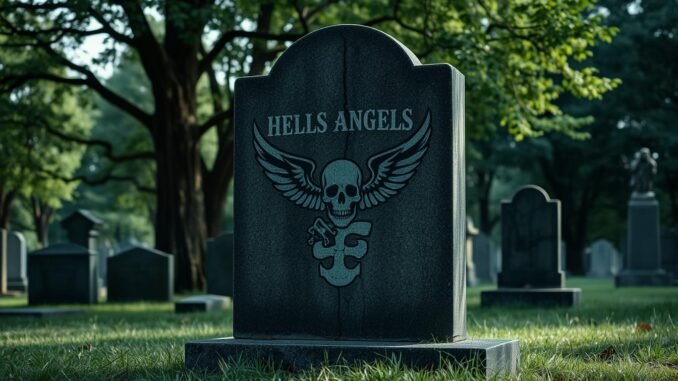

One in five Canadians lives close to le grand montreal. Yet, a quiet Catholic cemetery sparked a big debate. This happened in St-Basile-le-Grand, where a special stone was placed without the right checks.
The Diocese of St-Jean-Longueuil found the situation embarrassing. They said the stone should never have been allowed. The Montreal church agreed to keep the memorial but will remove any Hells Angels signs.
La Presse and The Canadian Press covered the story, drawing people to the cemetery. Spokesperson Michel Boutot said the removal timeline is not set. But, updates will be given. The main question is: what symbols belong in a Catholic cemetery?
This case mixes faith, memory, and public space. It also tests how a church handles notorious symbols in sacred places. It shows how communities see the Hells Angels’ legacy in public life.
Overview of the St-Basile-le-Grand Cemetery Controversy
In Saint-Basile-le-Grand, a granite tombstone sparked a big debate. It spread across Montreal’s South Shore. People saw it as more than a memorial; it was a sign that touched on faith, safety, and the quiet of the parish grounds.
The story quickly became a citywide conversation. It started as a simple question at a cemetery. But it grew into a discussion that crossed bridges and borders in the region known as a tombstone city.
How a tombstone with a winged skull drew attention on Montreal’s South Shore
The marker had a winged skull linked to the Hells Angels and the words “Hells Angels South.” People in Saint-Basile-le-Grand noticed it right away. They shared photos and wondered why such symbols were in a Catholic cemetery.
As neighbours talked, visitors from le grand montreal came to see. The tombstone became a point of interest and tension. It drew crowds and quiet prayers.
Le grand Montreal spotlight: from local parish grounds to province-wide debate
Coverage by La Presse and The Canadian Press made the story bigger. Montreal’s South Shore heard new voices. From parish members to legal observers, everyone weighed the line between personal remembrance and public meaning.
The focus moved from one plot to the practices guiding every tombstone. What fits in a parish yard can ripple far beyond Saint-Basile-le-Grand. Symbols carry history and power.
Why symbols on memorials matter in Catholic cemeteries
Symbols speak even when families stay silent. In Catholic settings, images shape the tone of a sacred place. They frame how visitors feel about grace, loss, and community. A single emblem can suggest pride, grief, or challenge.
When a design evokes angels or groups known for notoriety, meaning grows complex. The choice of art on a tombstone can shift a memorial from private tribute to a public statement. That’s why many parishes set clear rules across le grand montreal.
Diocese of St-Jean-Longueuil’s Apology and Next Steps
The Diocese of St-Jean-Longueuil acted fast to address concerns on Montreal’s South Shore. They outlined a plan that combines care for the community with strict cemetery rules. This plan also includes a clear process for approvals.
Official statement: “sincerely regrets the embarrassment”
The diocese issued an official apology. They said they “sincerely regret the embarrassment” caused by the approved monument. They acknowledged the distress it brought to parishioners and neighbours. They also showed respect for families who follow the rules.
Keeping the stone, removing outlaw biker identifiers
The parish will keep the granite stone as a tribute to the grave. But, they will remove the winged skull and the “Hells Angels South” text. This decision follows cemetery rules against organized crime symbols and keeps the memorial intact.
Briefing parishes on uniform cemetery regulations and approvals
Pastors, wardens, and cemetery managers will get new tools. The diocese will provide checklists, clear forms for inscriptions, and a workflow for approvals. This includes a process for sensitive images related to organized crime.
Timeline uncertainties and how the parish will communicate updates
Spokesperson Michel Boutot said a removal date is not fixed. The parish will work with contractors, protect the stone, and update parish teams as needed.
Details of the Tombstone: Logo, Inscription, and Removal Plan
The headstone at the parish cemetery caught attention because of its winged skull logo and the words Hells Angels South. It’s a polished granite memorial without a traditional epitaph or personal name. Officials have a plan to carefully remove the inscription while keeping the stone in place.
What “Hells Angels South” and the winged skull signify
The text suggests a regional chapter of a motorcycle club. The winged skull logo is well-known in Canada and represents identity, not remembrance. On a grave marker, it’s seen as a chapter tag, not a personal tribute.
Decision to retain the granite memorial while erasing biker symbols
The parish wants to keep the granite memorial but will remove the Hells Angels South text and the winged skull logo. This way, they preserve the monument’s structure while addressing the motorcycle club emblem.
Unanswered questions: who ordered, paid, or authorized the marker
Many questions remain unanswered. Who ordered the stone, who paid for it, and who approved its installation are unknown. The lack of a name on the marker adds to the mystery.
Technical considerations for safe removal without damaging the stone
Experts will likely use micro-abrasive blasting or diamond-polishing to remove the etched areas. Then, they will refinish the face to match the original sheen. The goal is to remove the inscription fully while keeping the granite memorial intact. They must control dust, noise, and vibration to avoid damaging the stone.
Work will be done during quiet hours. Contractors will use access, tarp enclosures, and gentle lift assists to protect nearby lots. They will seal and rinse the stone to prevent residue from settling on other stones.
Local Reactions in Saint-Basile-le-Grand
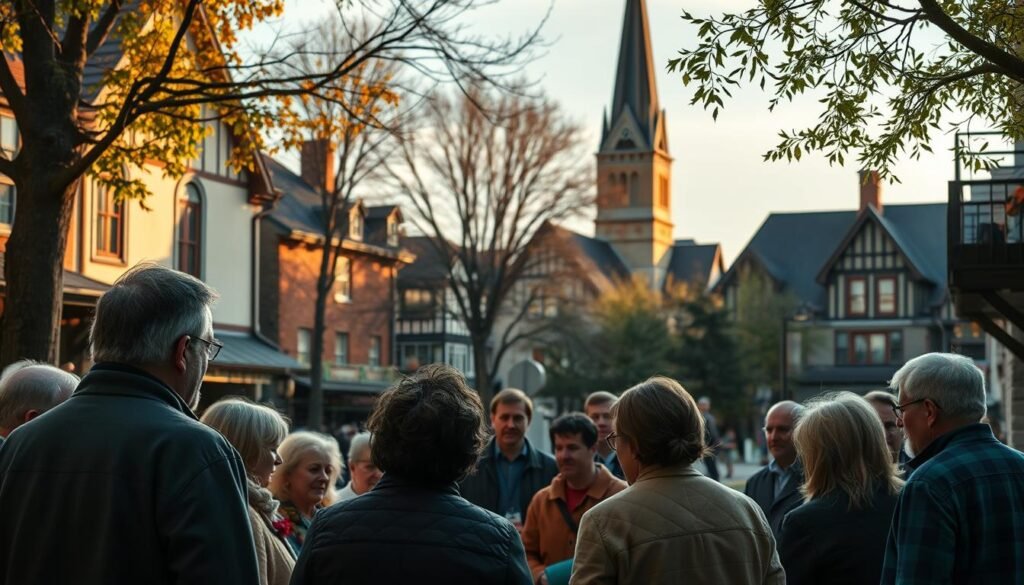
After days of media coverage, the cemetery in Saint-Basile-le-Grand saw many visitors. People spoke softly, checked their phones, and thought about the impact on a sacred place. This place is shared by families in Longueuil and nearby basile streets.
Residents visiting after La Presse and The Canadian Press coverage
After La Presse and The Canadian Press reported, locals came to see the marker. Some took photos as proof, while others asked about the removal plan. The community’s reaction was a mix of shock and curiosity.
Quotes at the cemetery gates: “places of peace and love” versus notoriety
At the gates, one person wanted a photo before it was gone. They wondered how it was allowed in a Catholic plot. Another said cemeteries should be places of peace and love, not known for crime in Quebec. The parish chose not to speak as cameras kept rolling.
Why curiosity and concern surged across Longueuil and nearby basile neighbourhoods
News spread quickly through Longueuil social feeds, drawing neighbours from basile blocks. Media coverage sparked debate on symbols, grief, and faith. The community’s reaction showed how one stone can challenge shared values in a small town that values its quiet.
Hells Angels
The hells angels mc has a long history in Quebec. Its symbols and rituals are well-known. When you see a winged skull or chapter tag, you might first think of a motorcycle club, not a person’s story.
In cities like Montreal and Saguenay, the group is often linked to crime. This creates tension in places meant for prayer. Families seeking quiet may feel upset by hells branding without a personal name.
Parish leaders say context is key. An emblem can look like promotion if it stands alone. In a cemetery, this is important because the group’s image is part of public memory and news.
Symbols speak beyond stone. A small icon can shape how visitors see a life, a family, and a shared space.
Caregivers of sacred grounds think about this impact. A sign tied to a criminal organization can change the mood of a field of crosses. Without a name or dates, hells angels mc emblem can overshadow the person, given Quebec’s history and headlines.
Respect for mourners guides these decisions. Clear wording, names, and faith symbols help avoid confusion with hells imagery. This approach reduces tension while allowing families to honour their loved ones.
Outlaw Biker Gang History and Organized Crime in Quebec
Quebec’s history with motorcycle clubs is complex and often tense. What started as fun rides and friendship turned into police scrutiny. They linked some clubs to organized crime.
Symbols on stones or jackets mean more than just identity. They remind of raids, trials, and criminal charges. These events sparked debates on legal status and conduct.
From motorcycle club culture to criminal activities and charges
In the 1980s and 1990s, Montreal and the South Shore faced rising tensions. An outlaw biker gang image was linked to trafficking, extortion, and violence. Court files and news reports showed clubs at the heart of organized crime investigations.
This history shapes today’s views on banners, patches, and memorial motifs.
How the “criminal organization” label shapes public discourse
When authorities call a group a “criminal organization,” it changes the conversation. It affects how people view gatherings and symbols. It also influences how officials see legal status.
In public forums, this label links outlaw biker gang stories with Quebec’s history of big cases.
Public safety perceptions tied to past trials, raids, and media reports
Big operations in Montreal and suburbs created a shared memory of danger. Media archives, police briefings, and verdicts connect symbols to organized crime. Even small displays can bring up past criminal charges.
This leads institutions to think about policy, legal status, and community feelings together.
Why Church Spaces Scrutinize Criminal Organization Symbols
Church grounds are for prayer and remembering loved ones. In Catholic cemeteries, families find comfort while paying tribute. But, if symbols of criminal groups are used, the focus can change.
Staff aim to maintain dignity and peace. They balance the needs of the community with the wishes of families. This ensures trust among mourners and neighbours.
Balancing memorial rights with community standards in Catholic cemeteries
Families have the right to honour their loved ones with respect. Yet, Catholic cemeteries must also consider the feelings of all visitors. They screen designs to avoid anything that might cause discomfort or promote violence.
When symbols of gangs appear, staff can suggest changes. They can remove gang signs while keeping important details like names and prayers. This way, they respect community standards without losing the essence of the tribute.
Aligning parish policies with Quebec law and diocesan norms
Parishes follow Quebec’s laws on organized crime and diocesan guidelines. They have clear policies on what is allowed and what is not. This ensures consistency across different locations and times.
By aligning local rules with diocesan standards, confusion is avoided. It also helps families understand the process if there are any issues with the design.
Proactive approvals for sensitive imagery to avoid future disputes
A thorough approvals process begins before any work starts. It involves checking artwork, inscriptions, and photos with families and vendors. This way, problems are caught early, saving time and effort.
When the approval process is clear and consistent, everyone knows what to expect. This helps keep Catholic cemeteries a place of solace, avoiding disputes that can spread beyond the cemetery.
Media, Geography, and Keywords Connected to the Story

The story started in a small parish and grew to cover a wide area. The cemetery in Saint-Basile-le-Grand is on Montreal’s South Shore. It’s part of the Diocese of St-Jean-Longueuil. When big news outlets picked it up, more people across le grand montreal and suburbs followed.
Local context matters. Folks in Longueuil and those commuting from Montreal kept up with every update. Search trends showed a mix of local names and terms related to memorials and bikers.
Saint-Basile-le-Grand, Longueuil, and regional context
Saint-Basile-le-Grand is at the center of the story. Longueuil adds the diocesan perspective. Together, they create a familiar path for many in le grand montreal. This blend of parish life and city news shaped how people understood each part of the story.
Search behaviour: memorial terms and variants
Interest in the word tombstone was high, with spikes in headlines and captions. A common misspelling, tumbstone, also showed up, often in quick posts and auto-generated text. These variations influenced how stories were found and shared.
Related tags surfacing online
Tags like hells, angels, and hells angels mc appeared alongside local markers. Even 4 gang outlet was mentioned, attracting more readers to local news.
| Term or Tag | Context of Use | Geographic Tie | Observed Effect |
|---|---|---|---|
| Saint-Basile-le-Grand | Identifies the cemetery site at the heart of the story | South Shore | Drives precision in local searches |
| Longueuil | Frames diocesan oversight and regional interest | Diocese of St-Jean-Longueuil | Broadens reach to urban readers |
| le grand montreal | Defines the metro audience following developments | Greater Montreal | Amplifies cross-neighbourhood sharing |
| tombstone | Core search term for memorial coverage | General | High discovery rate in news feeds |
| tombstone city | Colloquial phrase appearing in headlines and posts | General | Boosts trending queries |
| tumbstone | Frequent misspelling in user content | General | Captures incidental traffic |
| angels | Short-form tag for group references | General | Connects to wider discussions |
| saq longueuil | Local brand tag appearing in regional threads | Longueuil | Extends audience beyond crime news |
| 4 gang outlet | Peripheral tag found in aggregated lists | General | Adds fringe but measurable traffic |
Implications for Policy, Parishes, and Monument Vendors
Parishes in Quebec can lower risks by having a clear approvals process. This process should be easy to follow and quick to check. It helps everyone understand what is allowed on site.
Strong policies protect sacred places while considering the needs of those grieving. This balance is key.
Standard forms, escalation steps, and documented review trails
Every file starts with a standard form. It lists the text, symbols, and images proposed. There should also be a checklist for sensitive content and photo references.
Include an approvals workflow that shows who approves at each step. This makes the process clear.
If a request is unclear or risky, send it to the diocesan office. Keep detailed notes and images for future audits. This ensures policies are followed consistently.
Coordinating with engravers to prevent non-compliant installs
Before stone is engraved, parishes should confirm details with engravers and vendors. Share the final proof, including scale and placement, and wait for approval.
Pre-install meetings can avoid costly mistakes and disputes. Clear communication and a shared calendar help everyone stay on track.
Compassionate alternatives that remove outlaw identifiers
Offer kind alternatives when a design is too bold. Keep the memorial’s structure but change symbols or finishes. This way, families can honor their loved ones while following rules.
Be open about timelines, safety, and plans. This approach respects policies while showing care and compassion.
| Process Stage | What Parishes Do | Role of Monument Vendors | Role of Engravers | Outcome |
|---|---|---|---|---|
| Intake | Collect standard form, photos, and sensitive imagery checklist. | Provide material specs and draft layouts. | Submit inscription mock-ups to scale. | Complete file ready for initial review. |
| Review | Apply approvals workflow and policy enforcement with notes. | Revise design per feedback and resubmit. | Adjust fonts, spacing, and symbol placement. | Compliant proof prepared for decision. |
| Escalation | Send high-risk items to diocesan counsel with a review trail. | Hold production pending clearance. | Freeze engraving until written sign-off. | Risk-managed, documented decision. |
| Pre‑Install | Confirm site timing, safety, and preservation steps. | Coordinate delivery, lift gear, and crew schedule. | Engrave only the final approved proof. | Accurate, compliant components on site. |
| Remediation | Offer compassionate alternatives for non-compliant symbols. | Swap panels or finishes as required. | Remove or sandblast outlaw identifiers. | Memorial aligned with rules and family needs. |
Conclusion
The St‑Basile‑le‑Grand case made a quiet spot a big test of values on Montreal’s South Shore. The Diocese of St‑Jean‑Longueuil has apologized. They plan to keep the marker, remove the Hells Angels logo, and set a date soon.
Media coverage by La Presse and The Canadian Press brought people to the grounds. It also made people think about memory, symbols, and the role of a Catholic parish. They guard sacred spaces.
Residents were worried about the Hells Angels’ image. Families wanted to honour their loved ones. In Quebec, the Hells Angels are known for crimes like murder and drug trafficking.
So, caution in public symbols is key. It protects dignity and trust. A careful cemetery policy is as important as pastoral care.
The future path is practical and humane. Standard reviews and approvals can prevent conflicts. Open communication and community dialogue are key.
Each Catholic parish can respect grief while following rules. This keeps cemeteries peaceful for the South Shore. A balance helps everyone find quiet again.

Be the first to comment